
How’s your eating?
Many people unknowingly follow a diet that’s low in nutrients and high in processed foods. The good news is, small changes can make a big difference. Let’s explore how eating more plants can improve your health and support your well-being.

Fried chicken and mac and cheese at home. Fast food burgers and fries or takeout pizza.
Such meals make up the Standard American Diet. They are often loaded with saturated fats, salt and added sugars, without significant amounts of essential nutrients like fiber, vitamins, and minerals.
The Standard American Diet is truly SAD, with direct links to increased risks of heart disease, obesity, type 2 diabetes, hypertension and other chronic conditions.
Want to combat SAD and eat better for your health?
EAT MORE PLANTS
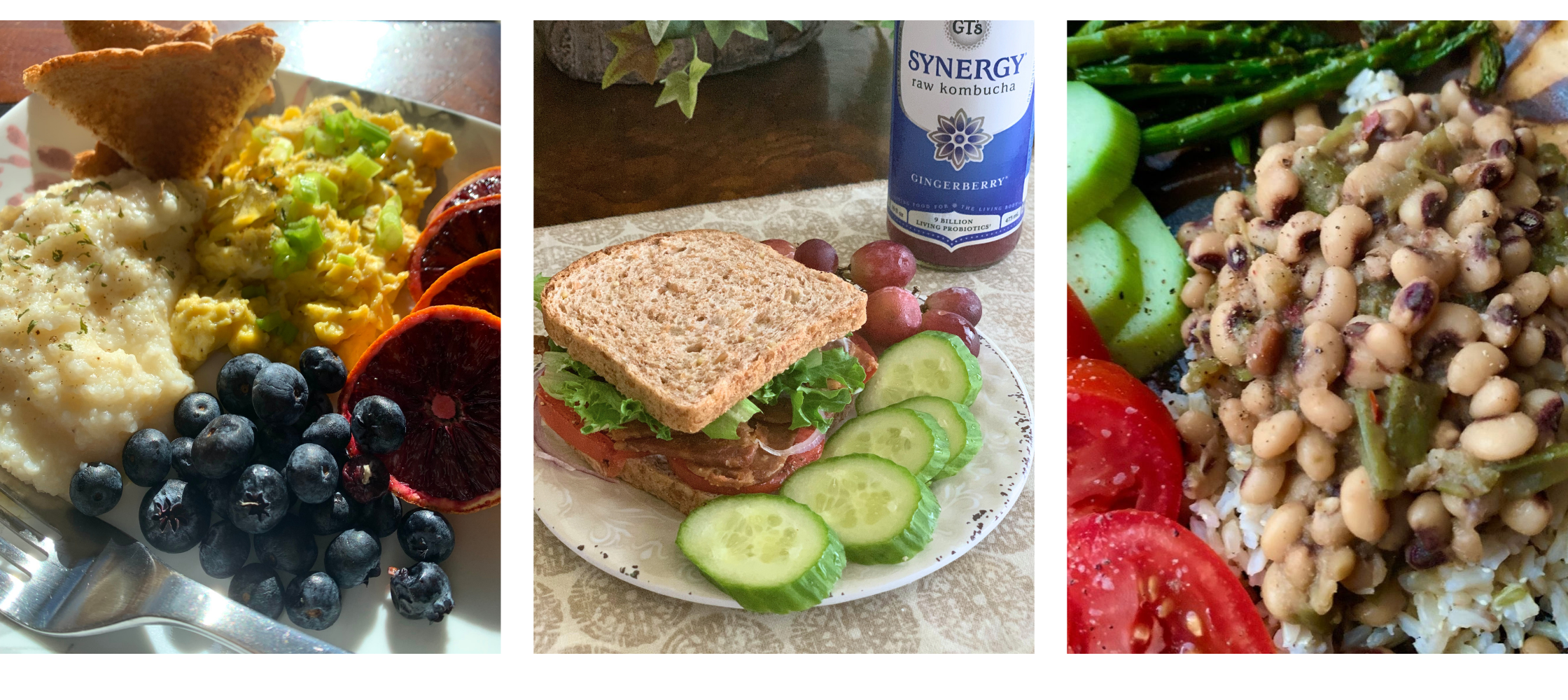
Vegetables, fruits, whole grains, and legumes are naturally rich in fiber, antioxidants, and essential nutrients that promote heart health, aid digestion, and reduce inflammation.
They can help balance your diet and do it deliciously.
Half Your Plate, Full of Plants
The USDA’s MyPlate guidelines recommend filling half your plate with fruits and vegetables to promote overall health and reduce the risk of chronic diseases. Fruits and vegetables are rich in essential nutrients, including vitamins, minerals, and fiber, which support digestion, boost immune function, and maintain a healthy weight.
Incorporating a colorful variety of these foods ensures you receive a broad spectrum of nutrients, enhancing overall well-being.
But wait!, Eating healthy costs too much!
CAP! You can eat and enjoy produce on a budget.
Buy in season and on sale.
Seasonal produce is cheaper because it’s more abundant and doesn’t require long-distance shipping or storage, keeping prices low and freshness high.
Consider frozen or canned options.
Frozen and canned fruits and veggies are picked at peak ripeness and preserved, keeping their nutritional value while being more affordable and longer-lasting.
Watch out for sodium in canned vegetables and sugar in canned fruits—opt for low-sodium or no-salt-added vegetables and fruits packed in water or 100% juice.
Shop Local (i.e. Farmers’ Markets).
Buying from local farmers cuts down on transportation and storage costs, which can make produce more affordable. You also get fresher food since it’s often picked just before being sold.
Buy Store Brands.
Many store-brand products are made by the same manufacturers as name brands—just with different packaging and without the expensive marketing. You get comparable quality for a lower cost.
Grow Your Own.
Planting a small garden with easy-to-grow items like tomatoes, herbs, or greens can save money and ensure fresh produce at your fingertips.
Eating more plants doesn’t have to be complicated or expensive. With just a few simple changes, you can enjoy the many health benefits of fruits, vegetables, whole grains, and legumes. By making small adjustments like buying in season, shopping local, and growing your own, you can make plants a more affordable, delicious, and sustainable part of your diet.
Ready to take the next step toward better health?
Start today by incorporating more plants into your meals—whether it’s by making half your plate fruits and veggies or trying out a new seasonal produce item. Explore the resources below to guide you on your journey, and don’t forget to check out my Veganish Cookbook for simple, delicious plant-based recipes to inspire your meals!